Best Kundalini Yoga Poses for Beginners

Kundalini Yoga is a very intriguing yoga practice. It offers a deep connection to internalized energy that can be harnessed and sustained for self-development and growth. Although it may seem like an intimidating style of yoga to practice, it is actually quite accessible, even if you are new to yoga. This article will focus on some of the best Kundalini Yoga poses you can practice as a beginner.
What is Kundalini Yoga
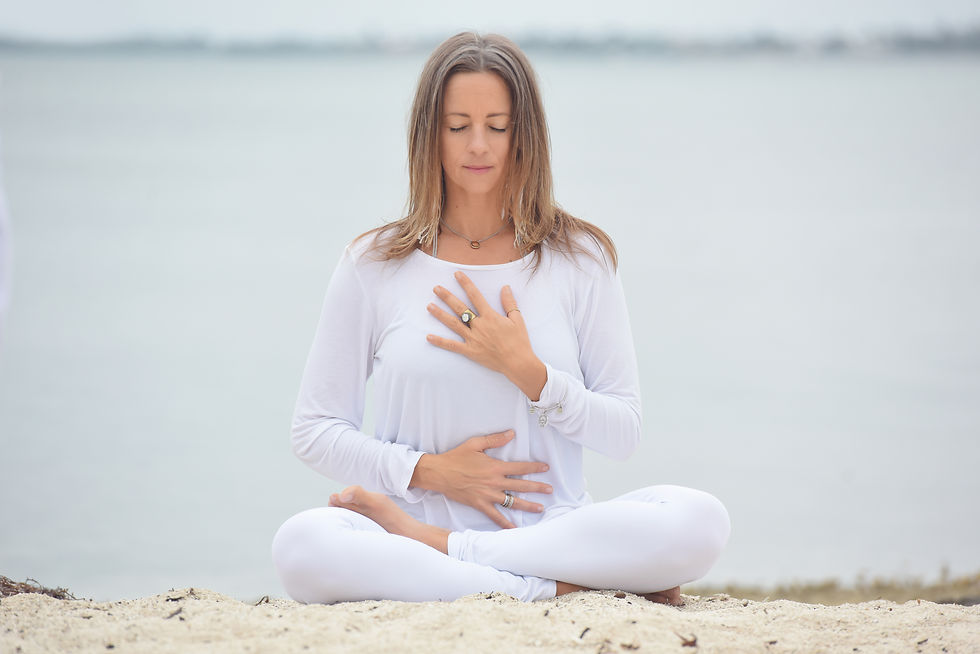
Like other modern styles of yoga, Kundalini incorporates asana (yoga poses) and Pranayama (breathwork) into its practice. But, Kundalini Yoga has its roots in the ancient traditions of yoga. First mentioned in the sacred texts of the Upanishads (dating back to 100 BC), it was declared a science of energetic and spiritual development.
Using the image of the coiled snake, Kundalini Yoga practices are designed to awaken the mythical sleeping reptile that is at the base of the spine or the first Chakra. The Kundalini Energy rises up the spine coursing through the remaining six Chakras, and this powerful energy transcends throughout the entire body. The metaphor of the snake is also appropriate because it signifies the shedding of an old skin to reveal the new being with great potential.
Components of a Kundalini Practice
When you arrive at a yoga studio that offers Kundalini Yoga, you can expect a well-crafted and disciplined practice. It is composed of several elements that manifest positive benefits. They include:
Opening Chant
Pranayama (breathwork)
Kriya Exercise
Relaxation
Meditation
Closing Chant
Your instructor will design each class to fulfill a specific intention or goal. That intention may be to relieve physical pain, release negative thoughts, deal with emotional grief, extinguish anger, and more. The idea is to remove the energies within you that build an obstacle for healthy growth, mental stability, and spiritual enlightenment. Once clear, you'll experience life-changing benefits for a happy and healthy life.
The Benefits of Kundalini Yoga
Practicing Kundalini offers many great results. Some include:
Deeper self-awareness
More compassion for self and others
Increase in physical, mental, and spiritual energy
Evolved internal peace and tranquility
There is even science-based information that claims Kundalini Yoga can help ease anxiety, promote cognitive functioning, and improve your self-esteem.
Kundalini Yoga Poses to Practice at Home
If you're not quite ready to attend an entire Kundalini Yoga class in a studio, you can practice some poses at home to harness Kundalini Energy. An important note when practicing any of these poses is to accompany them with breathing (Pranayama). The accompanying breathing can simply be slow and deep inhales and exhales. Here are a few of the best yoga poses to try:
Easy Pose
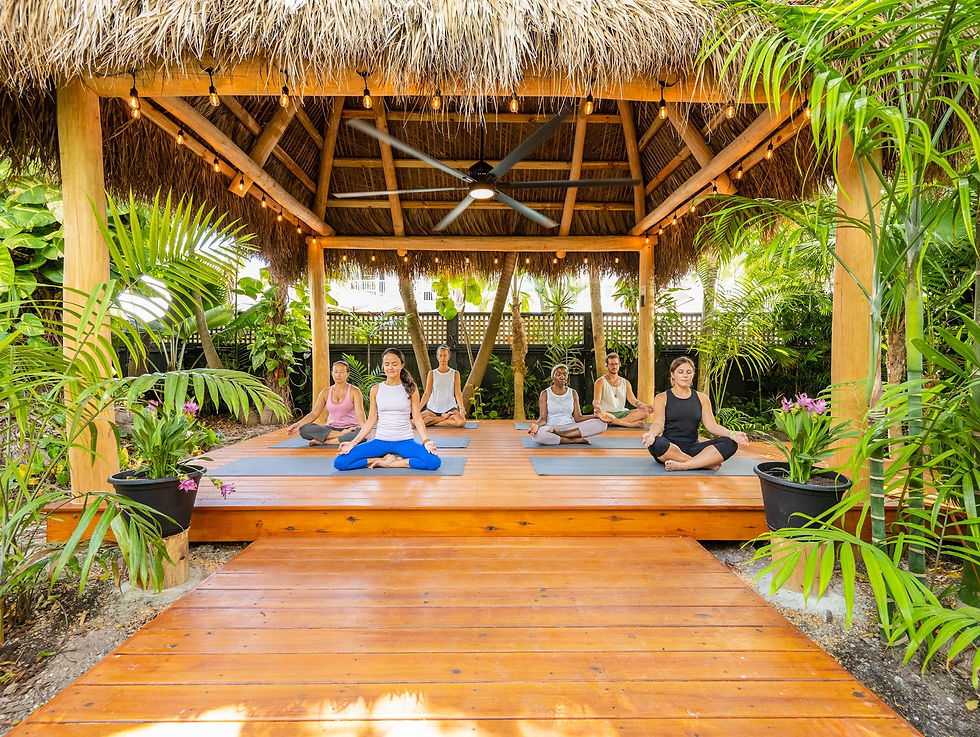
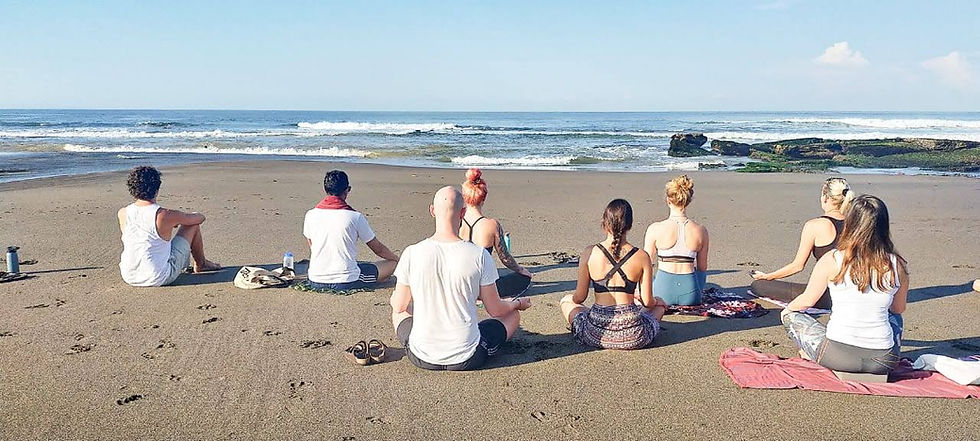
Easy Pose is a simple cross-legged sitting position.
Sit on your yoga mat or a soft cushion on the floor.
Bend your knees to cross your legs at the ankles and shins.
Sit up as tall as you can to lengthen your spine.
Sit against a wall if you need more back support.
As you gain comfort in the pose, spend the next few minutes with your eyes closed taking slow, intentional breaths.
Cobra Pose
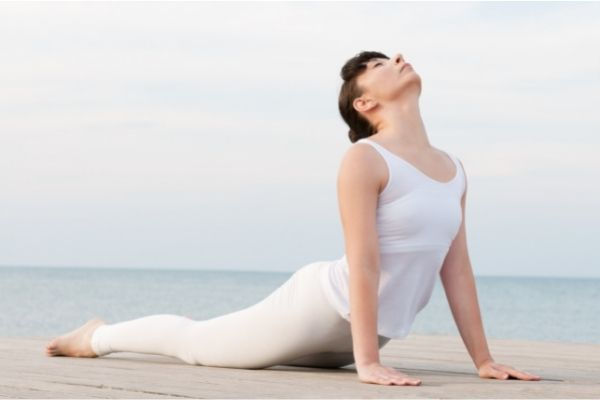
Cobra Pose is a mild backbend posture that can help activate Kundalini Energy.
Start by lying on your stomach on your yoga mat.
Place your hands beneath your shoulders.
Ensure that your legs are long with pointed toes behind you.
Press into the floor and raise your chest from the mat just a few inches.
Roll your shoulders back to open your heart center.
Hold for at least 30 seconds while taking slow deep breaths.
Repeat as desired for a total of 3-5 minutes.
Garland Pose
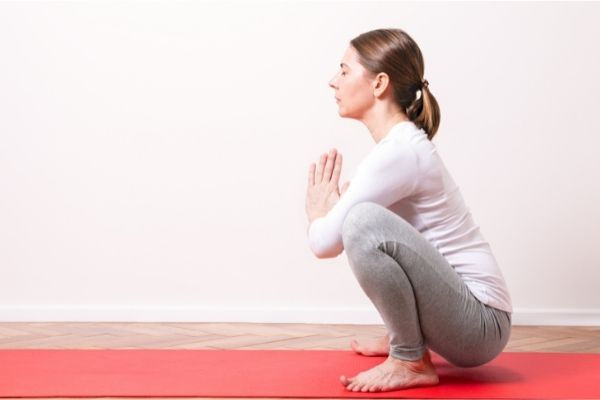
Garland pose resembles a squatting position to create energy through your entire body.
Start in a wide-legging standing position with your feet turned outward.
Slowly bend your knees to lower yourself into a squatting position.
Keep your feet flat on the floor, or feel free to rise to your tiptoes.
For support, place your hands on the floor in front of you.
You could also use a stack of blocks or books to sit on to remain balanced.
Hold the posture for 3 minutes while taking deep breaths.
Energy is sourced at the base of the spine. Kundalini Energy spirals up the spine throughout the exercise, targeting the higher Chakras.
Cat/Cow Pose
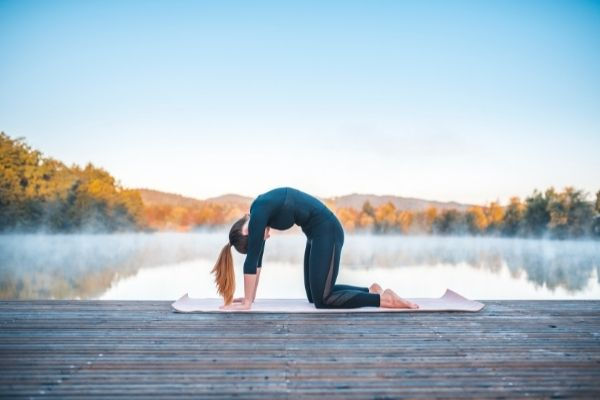

Cat/Cow Pose combines two yoga poses that flow together, creating movement through your spine and hips.
Come to a kneeling position on your yoga mat or folded blanket.
Your hands will be beneath your shoulders, and your knees will align under your hips.
Inhale to tip your head up while you tilt your pelvis back, creating a mild backbend. You've entered into Cow Pose.
Exhale to tilt your pelvis forward, tucking your tailbone while rounding your back and tipping your chin toward your chest. Now, you've entered into Cat Pose.
Continue these two motions fluidly for several minutes to allow the Kundalini Energy to flow through you.
Corpse Pose
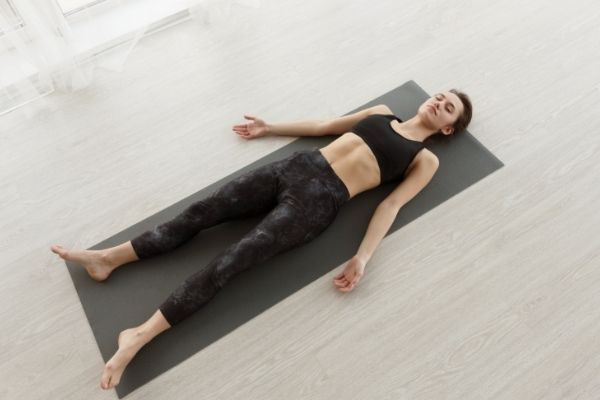
Corpse Pose is a relaxing and meditative yoga posture that will culminate awareness.
Lie flat on your back on your yoga mat or soft blanket.
Allow your legs to relax, thereby releasing your hips and low back fully.
Rest your arms down the sides of your body with palms facing upward.
Close your eyes and gently breathe in and out for at least 5 minutes.
Consistent Practice
Incorporate any or all of these yoga poses to begin a Kundalini Yoga practice at home. You can practice every day or several times a week. It is essential to establish a consistent practice to ensure the greatest results. The intention of practicing Kundalini Yoga is to create openings in your body and mind so that you can release uncomfortable and negative energy. These openings allow more positive and enlightened energy to manifest within you to generate a prolonged healthy and fulfilling lifestyle.
Further Your Kundalini Knowledge
If you're still curious about the power of Kundalini Yoga, try attending a yoga class. You can even participate in a 200-hour Kundalini Yoga Training. For more information on a yoga certification, visit our 200-hour Kundalini Yoga Teacher Training page.
Not sure if a yoga teacher training is right for you? Check out our 5 part series to help you decide the next step of your yoga journey!

Comments